A mortgage is a debt instrument, secured by the collateral of specified realty residential or commercial property, that the borrower is required to pay back with a predetermined set of payments. Home mortgages are likewise understood as "liens against home" or "claims on property." With a fixed-rate mortgage, the customer pays the same interest rate for the life of the loan.
Individuals and services use mortgages to make big real estate purchases without paying the entire purchase price up front. Over many years, the borrower pays back the loan, plus interest, until she or he owns the residential or commercial property free and clear. Home loans are also referred to as "liens versus property" or "claims on home." If the customer stops paying the mortgage, the loan provider can foreclose.
In a property home mortgage, a property buyer pledges their home to the bank or other kind of lender, which has a claim on the home need to the property buyer default on paying the home mortgage. In the case of a foreclosure, the lending institution might force out the house's occupants and offer your home, using the income from the sale to clear the home loan debt.
The most popular mortgages are a 30-year fixed and a 15-year repaired. Some home loans can be as brief as five years; some can be 40 years or longer. Stretching payments over more years decreases the month-to-month payment however increases the amount of interest to pay. With a fixed-rate mortgage, the customer pays the exact same rate of interest for the life of the loan.
If market rate of interest rise, the customer's payment does not alter. If rates of interest drop significantly, the debtor may have the ability to secure that lower rate by refinancing the mortgage. A fixed-rate mortgage is likewise called a "standard" home loan. With an variable-rate mortgage (ARM), the interest rate is repaired for a preliminary term then varies with market rates of interest.
If rates of interest increase later, the debtor may not be able to pay for the higher regular monthly payments. Interest rates might also decrease, making an ARM less costly. In either case, the regular monthly payments are unpredictable after the initial term. Home mortgages are utilized by people and services to make large realty purchases without paying the entire purchase price in advance.
Not known Details About Reverse Mortgages And How They Work
Many homeowners entered into financial trouble with these kinds of home mortgages during the real estate bubble of the early 2000s. The majority of home loans used to buy a house are forward home mortgages. A reverse home mortgage is for house owners 62 or older who look to convert part of the equity in their houses into money.
The whole loan balance becomes due and payable when the borrower dies, moves away permanently, or offers the house. Among major banks providing home loan are Wells Fargo, JPMorgan Chase, and Bank of America. Banks used to be essentially the only source of home loans (how do down payments work on mortgages). Today a blossoming share of the lender market consists of non-banks such as Quicken Loans, loanDepot, SoFi, Calber Home Loans, and United Wholesale Home Mortgage.
These tools can likewise help calculate the total cost of interest over the life of the home loan, to provide you a clearer idea of what a residential or commercial property will truly cost. how do fannie mae mortgages work. The mortgage servicer might likewise establish an escrow account, aka an impound account, to pay certain property-related expenditures. The money that enters into the account comes from a part of the regular monthly home mortgage payment.
Customer Financial Protection Bureau - how home mortgages work. Mortgages, maybe more than any other loans, featured a great deal of variables, beginning with what must be paid back and when. Homebuyers should deal with a home mortgage expert to get the very best offer on what might be one of the most significant financial investments of their lives.
When you look for a home, you may hear a bit of market lingo you're not familiar with. We've produced an easy-to-understand directory site of the most typical home loan terms. Part of each regular monthly mortgage payment https://telegra.ph/some-known-details-about-how-mortgages-subsidy-work-11-09 will approach paying interest to your loan provider, while another part approaches paying for your loan balance (likewise understood as your loan's principal).
During the earlier years, a Visit this link higher part of your payment approaches interest. As time goes on, more of your payment approaches paying down the balance of your loan. The down payment is the money you pay in advance to acquire a house. In the majority of cases, you have to put money to get a home mortgage.
About How Do Interest Rates Work On Mortgages Loans
For example, standard loans require just 3% down, however you'll need to pay a regular monthly fee (called private home mortgage insurance coverage) to compensate for the little down payment. On the other hand, if you put 20% down, you 'd likely get a better rate of interest, and you would not have to pay for private home loan insurance.
Part of owning a house is spending for real estate tax and property owners insurance. To make it easy for you, loan providers established an escrow account to pay these expenses. Your escrow account is handled by your lending institution and works kind of like a monitoring account. Nobody earns interest on the funds held there, but the account is utilized to collect money so your loan provider can send payments for your taxes and insurance on your behalf.
Not all mortgages feature an escrow account. If your loan does not have one, you need to pay your residential or commercial property taxes and homeowners insurance costs yourself. Nevertheless, a lot of lending institutions use this choice since it permits them to make certain the real estate tax and insurance costs make money. If your down payment is less than 20%, an escrow account is needed.
Keep in mind that the amount of money you require in your escrow account depends on how much your insurance coverage and home taxes are each year. And given that these expenses might change year to year, your escrow payment will alter, too. That implies your regular monthly home loan payment may increase or decrease.
There are two types of home loan rate of interest: fixed rates and adjustable rates. Fixed rate of interest stay the very same for the whole length of your home loan. If you have a 30-year fixed-rate loan with a 4% rates of interest, you'll pay 4% interest up until you settle or refinance your loan.
Adjustable rates are rate of interest that alter based upon the marketplace. Many adjustable rate home loans start with a set rates of interest period, which normally lasts 5, 7 or 10 years. During this time, your rates of interest remains the exact same. After your fixed rate of interest period ends, your rate of interest changes up or down when annually, according to the marketplace.
How Do Second Mortgages Work In Ontario for Dummies

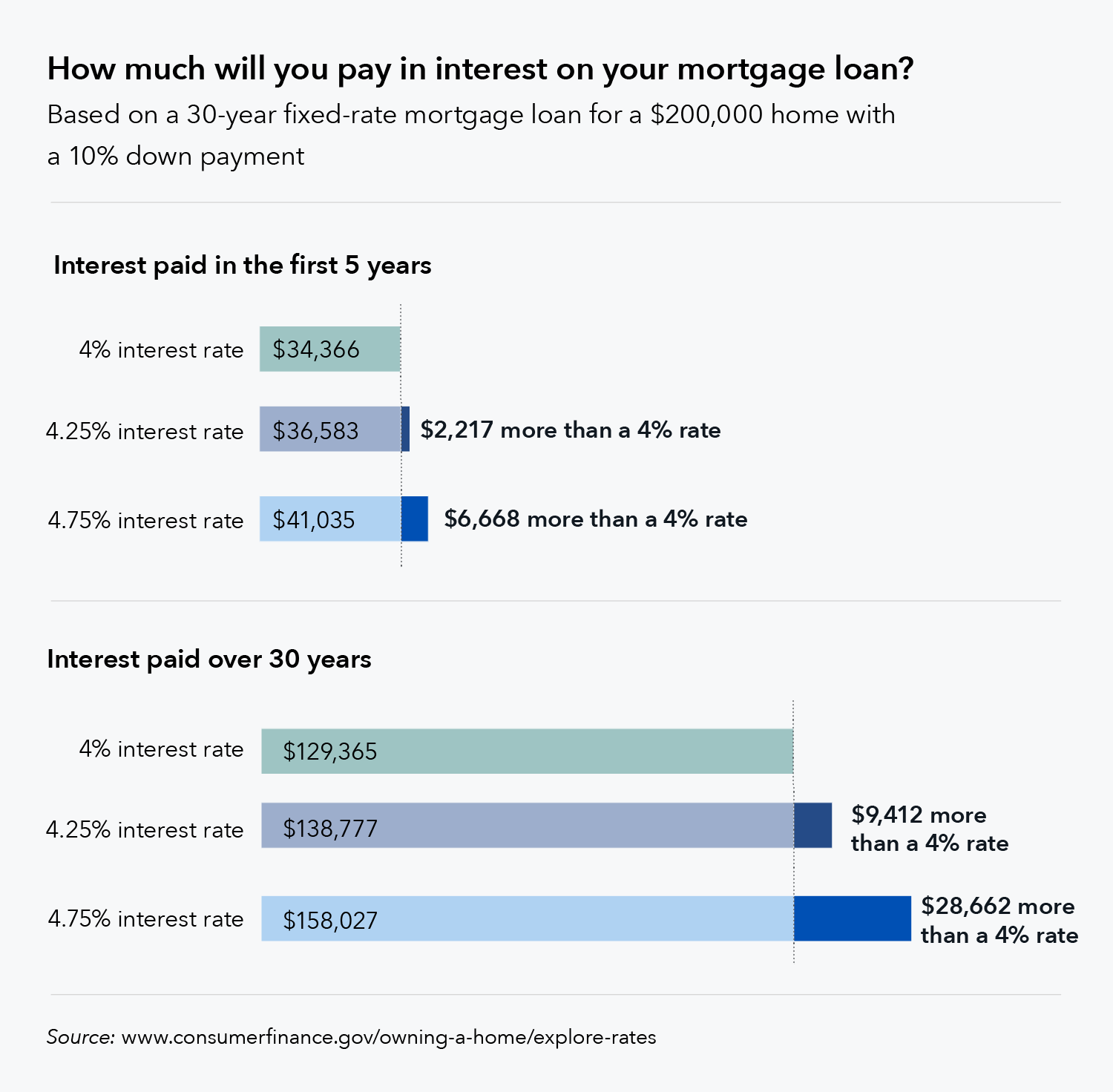
ARMs are ideal for some borrowers. If you plan to move or re-finance prior to completion of your fixed-rate duration, an adjustable rate home loan can provide you access to lower rate of interest than you 'd usually discover with a fixed-rate loan. The loan servicer is the business that's in charge of providing monthly home mortgage declarations, processing payments, managing your escrow account and reacting to your inquiries.
Lenders may offer the servicing rights of your loan and you might not get to select who services your loan. There are numerous types of mortgage loans. Each features various requirements, rate of interest and benefits. Here are some of the most common types you might find out about when you're obtaining a mortgage.